
Botanical Nature
Nigella sativa belongs to the Spermatophyte division, the Angiosperm subdivision, the Dicotyledon class, the Magnoliidae subclass, the Ranunculales order, the Ranunculaceae family, and the Nigella genus.
The Ranunculaceae family is an ancient plant family comprising around 2,000 distinct species, one of which has proven to be of high therapeutic potential: Nigella sativa.
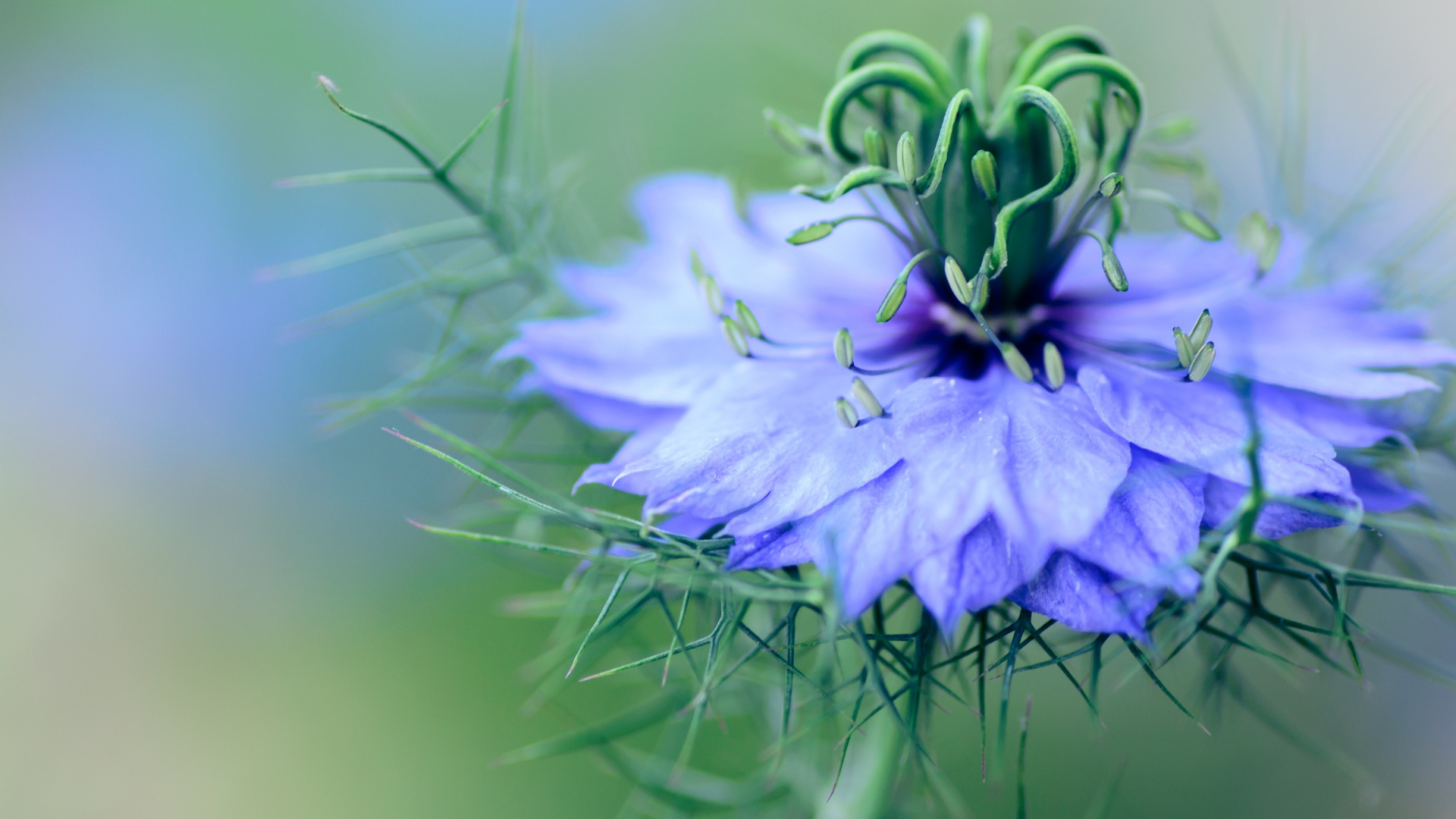
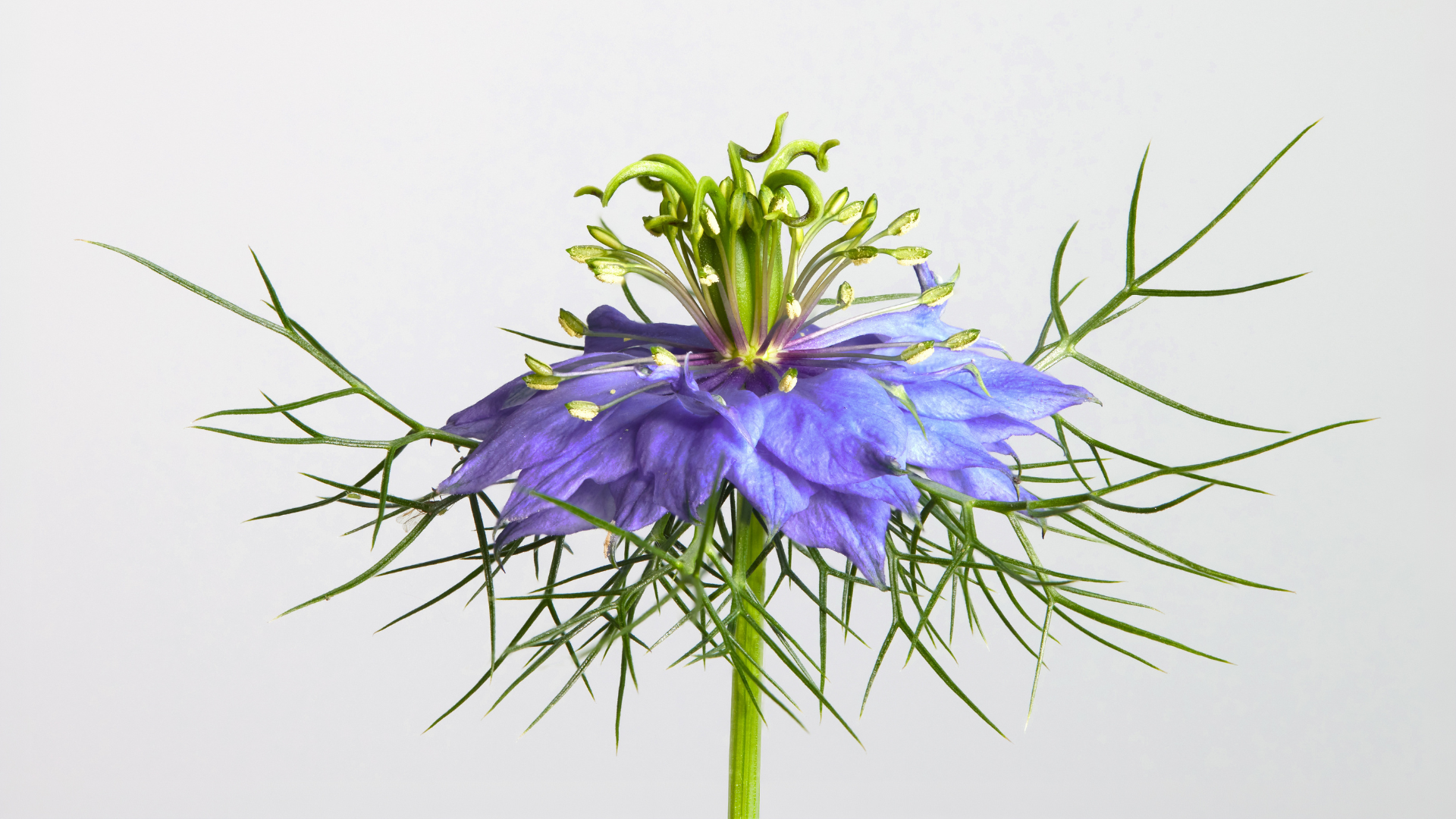
This annual herbaceous plant has several unique characteristics: basal and stem leaves described as “multifid,” meaning they are divided into numerous short, narrow segments. Its regular star-shaped flowers have a distinctive feature: their visible, colored parts are made up of sepals, while the nectar-bearing petals are shaped like small, rounded cones and are much shorter. The stamens are numerous, arranged in a spiral, and surround five long pistils.
Depending on the species, nigella flowers may be white, light blue, dark blue, or even violet.
The fruit is capsule-shaped and contains triangular seeds that turn black when exposed to air. The plant can grow up to 60 cm in height.
Seed maturation begins in June, with harvesting taking place from August to September.
It is mainly cultivated in Mediterranean regions — including the Maghreb, Turkey, and Syria — as well as in Western Asia as far as Pakistan and India, passing through Saudi Arabia, Sudan, and Ethiopia.
Nigella sativa is distinct from Love-in-a-Mist (Nigella damascena), commonly found in gardens, by the absence of multifid leaves gathered in an involucre immediately around the flower and later the fruit.
History and Traditional Use
Fossils dating back to the early Cretaceous period — around 250 million years ago — prove the existence of nigella plants at the end of the Mesozoic era. Its therapeutic and culinary properties have been known since Antiquity.
Its first traditional use was discovered in the ancient Sumerian Mesopotamian city of Nippur, where it was carved on a clay tablet estimated to be more than 5,000 years old.
It was also highly valued in Ancient Egypt, where it was initially used as a medicinal plant for coughs and respiratory discomfort, as well as a cosmetic ingredient for the skin. In fact, its properties were used by queens Cleopatra and Nefertiti, as recorded in papyrus writings from that period. Archaeologists have also discovered vials of black cumin oil in the tomb of Pharaoh Tutankhamun.
In the 1st century, Dioscorides, a Greek physician, described the uses of nigella: it was used to treat headaches, nasal congestion, toothache, and to fight intestinal worms. It was also used as a diuretic and was believed to promote menstruation and milk production.
In Greco-Roman medicine, Hippocrates and Galen also mentioned nigella, describing it as effective in supporting digestion.
It is one of the plants whose cultivation was recommended on royal estates by Charlemagne in the Capitulare de Villis.
Until the 16th century in Europe, its highly aromatic seeds were frequently used in cooking for their pungent taste, as a substitute for pepper.
In the East, it is often used in the preparation of breads or cakes in seed form.

Chemical composition
The seed produces a fixed oil, obtained either by cold pressing or through other innovative techniques. Its oil content ranges from 35.6% to 41.6%.
The fatty acid composition is relatively consistent. It is mainly composed of polyunsaturated fatty acids — 55–60%, with linoleic acid as the predominant one — and monounsaturated fatty acids — 20–25%, with oleic acid as the main one. Saturated fatty acids account for 15–20%, mainly palmitic and stearic acids.
The unsaponifiable fraction of black seed fixed oil is composed mainly of sterols — around 2.9 g/kg on average — primarily including the following common compounds: β-sitosterol, which accounts for approximately 50%, stigmasterol, and campesterol.
Minor sterols are also present, including Δ5-avenasterol, Δ7-stigmasterol, and Δ7-avenasterol.
The unsaponifiable fraction also contains vitamin E, carotenoids, nigellone, and traces of alkaloids. Constituents of the essential oil are also found, although their levels depend on production and storage conditions, as well as the variability of the plant material. As a reminder, essential oil constituents are, by definition, volatile compounds.
In particular, thymoquinone — TQ — is present. It is the main bioactive compound of interest. Unfortunately, it is only found in very low quantities in the black seed oils currently available on the dietary supplement and cosmetics markets, with highly variable concentrations ranging from 0.07% to 1.88%.
The seed contains small amounts of alkaloids, including nigellicimine, nigellimine, nigellimine N-oxide, nigellidine, and nigellione, as well as flavonoids such as quercetin and kaempferol. Several saponosides with pentacyclic triterpenic aglycones are also present, including α-hederin.
The biological activities of black seed are not directly linked to these low-abundance compounds; however, their contribution to the antimicrobial activity of seed extracts has been suggested.
Finally, the seed also contains approximately 16–19% protein, 5.5–8.9% insoluble fiber, and minerals, mainly calcium, copper, potassium, zinc, and phosphorus.
Thymoquinone
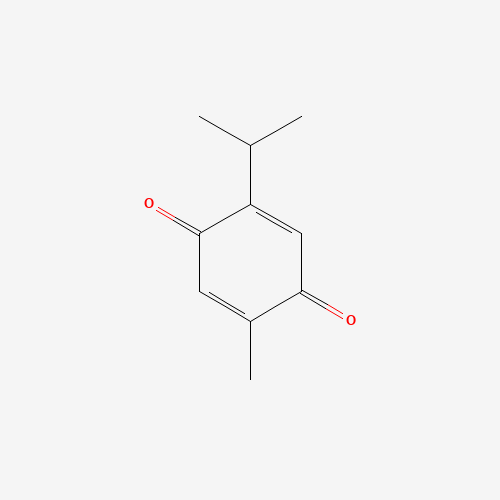
Thymoquinone is the main active compound found in the seeds.
It is a compound from the monoterpene group, belonging to the benzoquinone class. It is not widely found in living organisms and is mainly present in Nigella sativa seeds.
It is the most powerful active compound clinically studied since 1975 and, to date, has shown numerous beneficial effects on human health.
Today, thymoquinone content does not exceed 3% in dietary supplement and cosmetic formulations, and is even lower in the seeds available on the supplement market.
Developing formulas rich in thymoquinone is therefore the mission that L’Officine du Monde has set for itself, with a focus on efficacy, traceability, and high-quality nigella.